



Advertisement

Advertisement
Quick Summary
Best For
Families and adventure-focused EV shoppers who want real three-row flexibility, impressive range, and strong off-road-ready capability in one premium SUV.
$75,900
MSRP (Base)
$78,500
Market Average Price
$75,900
MSRP (Base)
$78,500
Market Average Price
Key Specs
Engine / Powertrain
Dual-motor AWD EV
Horsepower
Up to 665 hp
MPG / Range
Up to 410 miles
Seating
Up to 7
Cargo Capacity
Up to 104 cu ft
Basic Warranty
4 years / 50,000 miles
Pros
Excellent acceleration and confident all-weather traction.
Real three-row usability with generous cargo flexibility.
Strong range and fast-charging capability for an SUV this size.
Distinctive design and upscale cabin materials.
Cons
Pricing climbs quickly once you add larger battery packs and options.
Insurance premiums can be higher than mainstream three-row SUVs.
Large dimensions can feel bulky in tight urban parking situations.
Full Review
Exterior Design
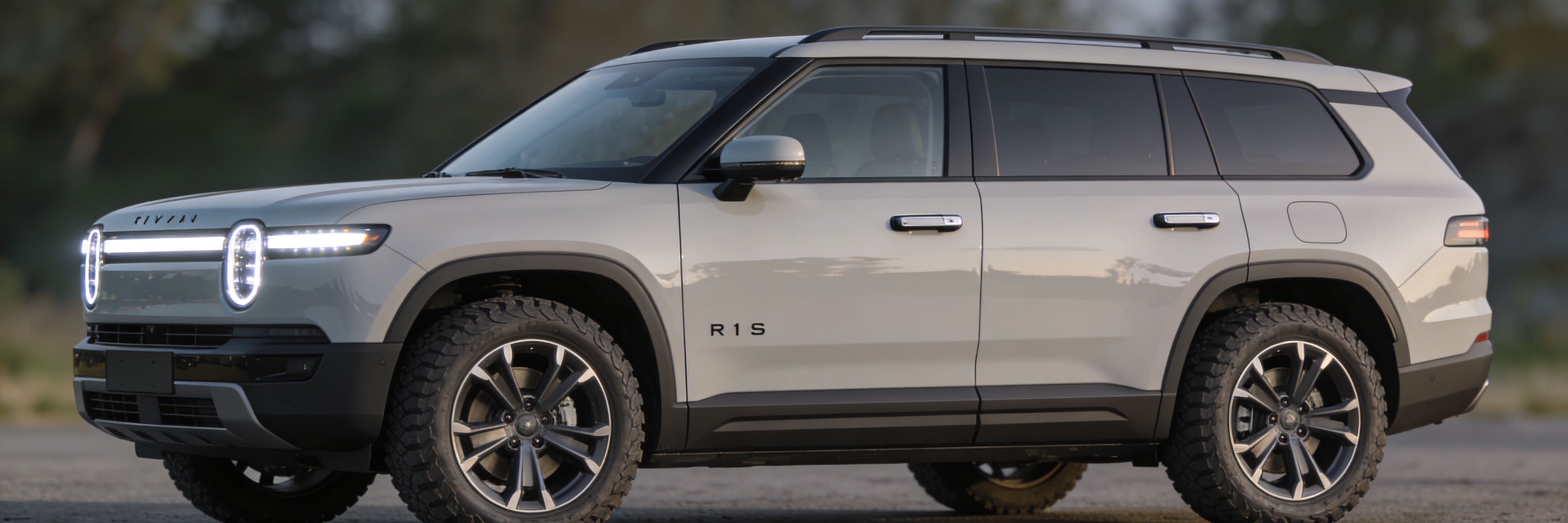
The Rivian R1S stands out in the crowded premium SUV space with a design that is modern without becoming overly futuristic. Its upright proportions, smooth surfacing, and trademark oval headlamp treatment give it instant brand recognition. Unlike some EVs that chase a rounded, anonymous shape, the R1S still looks rugged and purposeful, which fits its adventure-oriented image. The details are clean and upscale, and the wide stance helps it look substantial on the road. For U.S. buyers who want an electric SUV that feels both premium and capable, the R1S gets the visual balance right.
Interior & Comfort
Inside, the R1S delivers a cabin that feels airy, high-tech, and thoughtfully laid out. Material quality is a major strength, with a mix of soft-touch surfaces, modern trim, and a minimalist dashboard that avoids looking cheap. The front seats are supportive enough for long drives, and the second row offers enough room for adults to stay comfortable on family trips. Unlike many three-row crossovers, the R1S also makes respectable use of the third row, which is helpful for growing families. Ride comfort is generally strong, especially on highways, and the quiet EV powertrain helps the cabin feel more refined than many gasoline rivals.
Performance & Engine
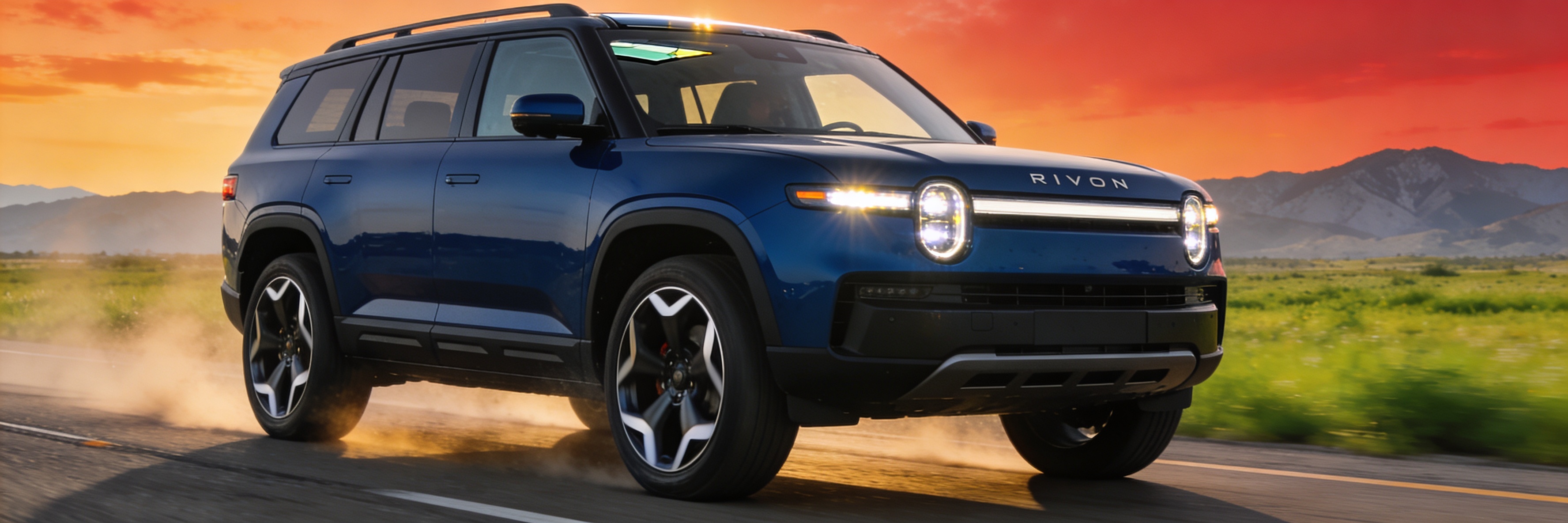
Performance is one of the R1S’s headline features. Even in lower trims, acceleration is strong enough to make this large SUV feel lighter than it really is, and upper configurations are seriously quick. The dual-motor setup provides confident AWD traction, while the battery and chassis tuning give the SUV impressive stability at speed. Rivian also deserves credit for maintaining useful range numbers despite the R1S’s size and capability. For shoppers in the USA who want a family EV but refuse to give up power, the R1S is among the strongest options in the class.
Technology & Features
The R1S leans heavily into software-led convenience, with a large central display controlling most major vehicle functions. The interface feels modern and generally polished, and the digital ecosystem supports navigation, charging planning, camera views, and core vehicle settings in one place. Driver-assistance features are competitive, and the SUV’s camera hardware and sensors help during parking and highway travel. Standard and available equipment levels are generous, especially compared with traditional luxury SUVs that often bundle key features into expensive packages. Buyers should still spend time with the touchscreen before purchasing, since the reduced number of physical controls may not suit everyone.
Driving Experience
On the move, the R1S feels calm, planted, and surprisingly athletic for a three-row SUV. Steering is accurate enough to inspire confidence, and the instant torque gives passing power that feels effortless. Around town, the size is noticeable, but visibility and camera systems help offset that. On longer trips, the quiet cabin and smooth power delivery make the Rivian feel expensive in a good way. The biggest takeaway is that the R1S does not ask buyers to compromise much: it combines family practicality, premium road manners, and authentic EV performance in a way that very few competitors currently match.
Top 3 Alternatives to the Rivian R1S
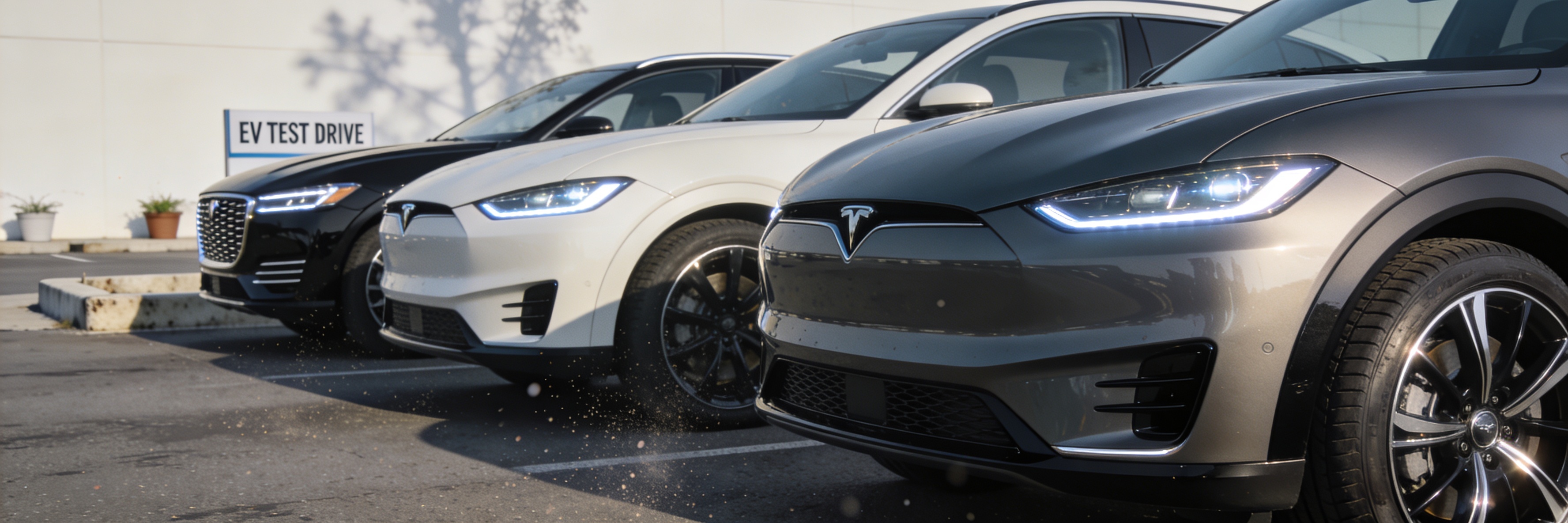
| Feature | Tesla Model X | Kia EV9 | BMW iX |
|---|---|---|---|
| Horsepower | Up to 1,020 hp | Up to 379 hp | Up to 610 hp |
| MPG City | 102 MPGe | 88 MPGe | 83 MPGe |
| MPG Highway | 97 MPGe | 78 MPGe | 82 MPGe |
| Starting Price | $79,990 | $54,900 | $87,250 |
| Financing APR | From 5.49% | From 4.99% | From 5.29% |
| Why it stands out | Blistering speed and strong charging network access | Best value and practical family-focused packaging | Luxury-focused interior and polished ride quality |
Rivian R1S vs Tesla Model X
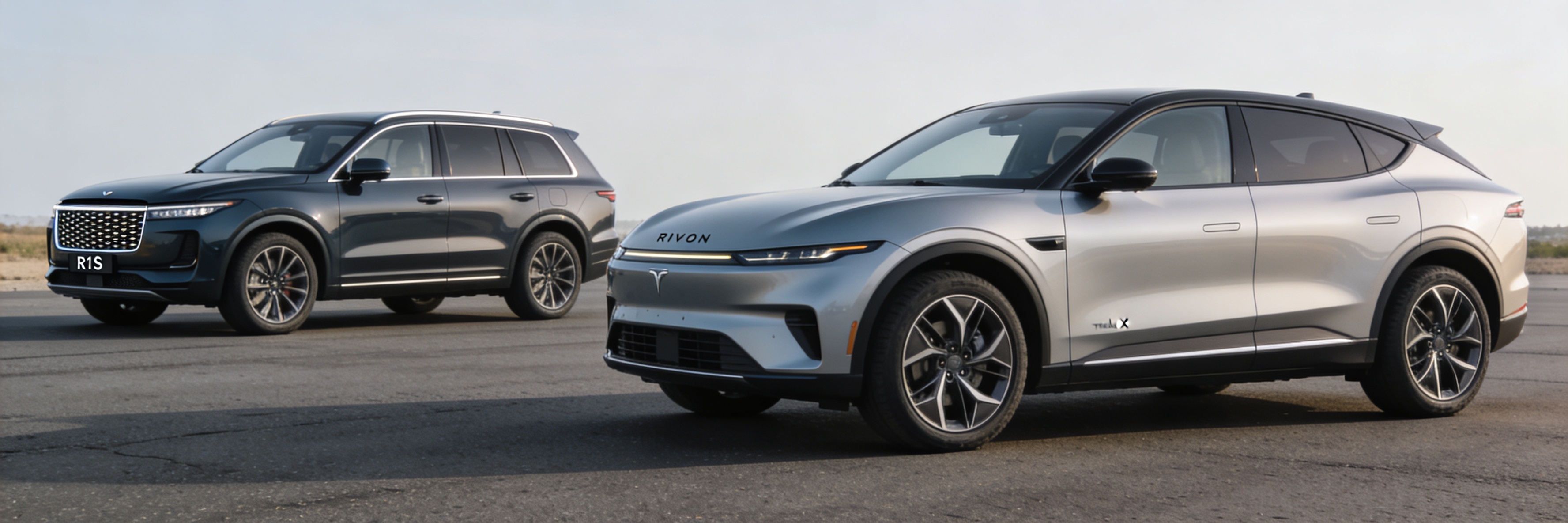
| Rivian R1S | Tesla Model X |
|---|---|
| Price | |
| Starts around $75,900 | Starts around $79,990 |
| Engine / HP | |
| Dual-motor AWD, up to 665 hp | Dual-motor AWD, up to 670 hp standard |
| MPG / Range | |
| Up to 410 miles of range | Up to 335 miles of range |
| Tech & Safety | |
| Strong native software, driver aids, and adventure-oriented utility tech | Very advanced software ecosystem and strong charging integration |
| Cargo / Seating | |
| Up to 7 seats, more rugged cargo flexibility | Up to 7 seats, but less traditional SUV utility feel |
| Warranty | |
| 4 years / 50,000 miles basic | 4 years / 50,000 miles basic |
Conclusion
Choose the Rivian R1S if you want a more traditional SUV shape, stronger utility, and a better balance between premium comfort and adventure capability. The Tesla Model X still wins on brand familiarity and software reputation, but the R1S feels more versatile for buyers who need genuine family practicality.
Cost of Ownership Estimate
Fuel / Energy cost
$90–$130 / month
Insurance cost
$220–$310 / month
Loan payment
$1,050–$1,220 / month
Maintenance
$25–$55 / month
Buying Advice
The Rivian R1S makes the most sense for U.S. buyers who know they want a premium EV SUV and will actually use its size, seating, and road-trip ability. Before signing, compare battery and trim combinations carefully, because the jump from the base model to a better-equipped version can meaningfully affect both monthly loan cost and insurance rates. It is also smart to get multiple insurance quotes and pre-approved financing offers before visiting a retailer, since those two items can reshape the real cost of ownership more than small MSRP discounts.
Frequently Asked Questions
Is the Rivian R1S a good family SUV?
Yes. The R1S is one of the better electric family SUVs on sale because it combines three-row seating, a quiet cabin, useful cargo space, and strong safety technology with real long-distance capability.
How much does it cost to insure a Rivian R1S in the USA?
Insurance costs vary by state, driver history, and coverage level, but many buyers should expect premiums to land above mainstream SUV averages. Shopping around with multiple carriers can save a meaningful amount each year.
Which is better, Rivian R1S or Tesla Model X?
The better choice depends on priorities. The Model X emphasizes Tesla’s software ecosystem and brand familiarity, while the R1S feels more like a versatile, adventure-ready luxury SUV with better utility and a more traditional three-row layout.
Final Verdict
The 2025 Rivian R1S is one of the most compelling premium electric SUVs available in the USA. It offers strong range, real family practicality, standout design, and performance that makes it feel special every day. Its biggest drawback is not capability but cost, especially once financing and insurance are factored in. For buyers who can budget for it wisely, the R1S is an excellent EV and a very easy recommendation.
Looking for Better Deals?
Compare offers before you buy so you can lower your monthly payment, reduce insurance costs, and keep more of your budget for charging and travel.
Compare low APR auto loan offers for the Rivian R1S
Check cheap car insurance quotes from multiple U.S. providers
See how monthly ownership costs change by down payment and loan term


Advertisement


